Curated stock recommendations

Hand-selected ideas backed by fundamentals, momentum, and conviction ratings. Prices and charts use real real-time market data.

13 picks
6 top picks
5 dividend ideas
Market closed · Last trade Sep 25, 4:59 PM EDT

Top Picks

Highest-conviction ideas with strong fundamentals and momentum.

Growth

Companies with double-digit revenue growth and durable competitive advantages.

Dividend Income

Stocks with attractive yields and sustainable payout profiles.

Value

Lower-multiple names with reasonable balance sheets and steady cash flows.

EquitySelect Blog

Short reads on wealth-building and the AI era.

The Laziest Way to Build Real Wealth

No six-figure salary. No finance degree. No crystal ball. Just a paycheck and the patience to let compounding work.

Your paycheck is not the finish line — it is the starting block. Take money you earned with your hands and your hours, and put it to work in broad U.S. stock index funds.

Then do nothing. Index funds spread you across hundreds of companies, charge almost nothing, and quietly capture the growth of the American economy. You are not out-trading Wall Street; you are renting its long-term curve.

The magic ingredient is time. Small, boring, automatic contributions become a snowball that grows while you sleep, work, and live.

Invest what you earned, then let the snowball do the rest — while you do absolutely nothing.
The Real Wealth Hack: Think Like an Owner, Not a Saver

Your net worth is not a scoreboard — it is a tool. Here is how to make it work harder.

Savers protect money. Owners deploy it. Plug the leaks first, then aim the firehose at assets that compound.

We are living through an AI build-out that is rewiring entire industries. The winners will not be the ones who panic at headlines — they will be the ones who recognize which platforms and supply chains actually get paid.

Three ways to accelerate without crashing:

  • Embrace the shift. Understand how AI and automation change the businesses you own.
  • Use leverage like jet fuel. A little shortens the runway; too much burns the plane.
  • Pick targets with edges. Durable cash flow, strong balance sheets, pricing power.

Wealth is built by decisions, not wishes.

The greatest wealth is from the bearest market

Long-term investing works — but only if you survive the ride and avoid buying at euphoric peaks.

"Time in the market beats timing the market." It sounds wise. It is also only half true.

Buy when headlines are celebratory and neighbors are giving stock tips, and you are not investing — you are auditioning to be someone else's exit liquidity.

The real wealth destroyers:

  • Buying at peak euphoria. Bull markets make everyone feel like a genius. That is the warning.
  • Panicking at the first dip. The price you paid decides how much volatility you can stomach.
  • Confusing a great stock with a great buy. The business matters. The price matters more.

Be patient when prices are absurd. Keep meaningful cash.

Cash Flow Is Oxygen, Net Worth Is Scenery

A big portfolio you cannot touch does not pay rent. Build income you can actually breathe on.

Net worth is a photograph. Cash flow is the movie. Plenty of people look rich on a spreadsheet and still panic-sell in a downturn because their bills outran their liquidity.

Start with a boring number: how many months could you cover with no paycheck? Until that answer is at least six, every clever investment idea is premature.

Build the oxygen tank:

  • Automate the first dollar. Savings that happen before you see the money always win.
  • Ladder your cash. Money market and T-bills beat a checking account doing nothing.
  • Add dividend anchors. Steady payers turn volatility into a paycheck.

Liquidity is not a drag on returns. It is the reason you get to keep them.

The Silent Thief: What Fees Really Cost You

One percent sounds harmless. Over thirty years it can quietly eat a house.

Fees do not feel painful because nobody hands you an invoice. They are skimmed, silently, every single year — from the money that was supposed to be compounding.

A 1% annual fee on a portfolio compounding for three decades can erase roughly a quarter of your ending balance. Same market, same risk, different outcome — because someone else was paid first.

Low-cost index funds are not a trend; they are arithmetic. Every basis point you keep is a basis point that compounds for you.

You cannot control returns. You can control what you pay for them.

Diversification: The Only Free Lunch on Wall Street

Concentration builds fortunes. Diversification keeps them.

Every fortune story you admire was built on concentration — and survivorship bias hides the identical bets that went to zero.

Spreading risk across sectors, geographies, and asset classes does not make you average. It makes you durable enough to still be investing when the next great opportunity shows up.

Diversify along three axes:

  • Across businesses. No single name should be able to end your plan.
  • Across economies. One country's lost decade should not be yours.
  • Across time. Buy in installments; you will never nail the bottom.

Get rich concentrated. Stay rich diversified.

Dollar-Cost Averaging: Boring on Purpose

The strategy that wins is the one you can keep doing when everything looks terrible.

Waiting for clarity is the most expensive habit in investing. Clarity arrives only after prices have already moved.

Buying a fixed amount on a fixed schedule quietly forces you to buy more shares when prices fall and fewer when they spike. It removes the one variable that ruins most portfolios: your mood.

It will not make you look smart at dinner parties. It will make you wealthy in a decade.

Automate the decision, and you never have to be brave.

Your Brain Is the Worst Trader You Employ

Markets do not take your money. Your reflexes do.

Losses hurt roughly twice as much as equivalent gains feel good. That asymmetry is why investors sell exactly when they should be buying.

The reflexes that cost the most:

  • Recency bias. Assuming the last six months predict the next six.
  • Anchoring. Refusing to sell because of the price you paid.
  • Herding. Buying because everyone else already did.

The fix is not more willpower. It is fewer decisions: written rules, automatic contributions, and a plan you wrote while calm.

Design a system your worst day cannot break.

Inflation Doesn't Knock — It Picks the Lock

Cash feels safe. Over decades it is the slowest, surest loss you will ever take.

At 3% inflation, money sitting idle loses roughly half its purchasing power in 24 years. Nothing dramatic happens on any given day. That is exactly why it works.

Equities are imperfect but honest inflation protection: companies with pricing power raise prices too, and their earnings travel with the cost of living.

Hold cash for the job cash does — safety and optionality over months. Do not ask it to be a thirty-year plan.

Safety that shrinks is not safety. It is a slow leak.

Great Company, Terrible Price

The business is only half the trade. The multiple you pay is the other half.

A world-class company bought at an absurd valuation is a mediocre investment wearing a great logo. The earnings can grow beautifully while the multiple compresses beneath you.

Ask three questions before you buy: what growth is already priced in, what happens if that growth arrives two years late, and what the stock is worth if the multiple simply reverts to normal.

Discipline here is unglamorous. It is also the difference between owning a compounder and financing someone else's exit.

Fall in love with the business. Negotiate hard on the price.

The Return You Keep Is the Only One That Counts

Tax-aware investing is the highest-certainty alpha available to ordinary people.

Markets are unpredictable. Tax rules are not. Which makes tax placement one of the few edges you can bank in advance.

Free points on the board:

  • Fill tax-advantaged accounts first. Match, then max, before taxable investing.
  • Hold long. Long-term rates beat short-term trading, every time.
  • Harvest losses. Turn a bad year into a smaller tax bill.

None of this requires predicting anything. It just requires paying attention once a year.

Gross returns impress. Net returns compound.

Rebalancing: Selling Winners Feels Awful, Do It Anyway

The point of a portfolio is not to be right. It is to stay within the risk you chose.

Left alone, a portfolio drifts. The thing that ran hardest becomes the thing you own most — right before it stops running.

Rebalancing forces the trade nobody wants to make: trim what soared, add to what lagged. It is mechanical humility, and it keeps your risk where you set it.

Once or twice a year, or when a sleeve drifts more than five points from target, is plenty. More often is fiddling.

You are not predicting the future. You are refusing to let it choose your risk.

Boring Is the Highest-Paying Job in Finance

Excitement is a fee you pay. Boredom is the return you collect.

Every thrilling strategy has a hidden invoice: spreads, taxes, slippage, and the emotional tax of being wrong loudly.

The boring investor buys the same fund on the same day every month and never checks the ticker at dinner. Over 30 years that person quietly beats most of the people who found investing fun.

If your portfolio is entertaining, you are paying for the show.

Cash Is Not Lazy. Cash Is Loaded.

Dry powder feels stupid for years — then it buys the decade.

Cash earns little and loses to inflation. That is the price of the option it carries: the right to buy great assets when everyone else is forced to sell.

Crashes do not reward the smartest investor. They reward the one with liquidity and a shopping list already written.

Keep enough cash that a bear market feels like a sale, not a sentence.

Your Savings Rate Beats Your Stock Picks

Early on, how much you invest matters more than what you invest in.

Going from a 5% to a 20% savings rate does more for your first decade than any hot fund ever will. Returns compound on the money you actually contributed.

Later, the math flips: the portfolio grows faster than you can fund it. But you only get to that point by feeding it hard and early.

Control the input. The market controls the output.

Lifestyle Creep: The Raise That Never Arrived

You got paid more and somehow got no richer. Here is where it went.

Every raise arrives with a matching upgrade offer: nicer car, bigger place, better everything. Accept them all and your income doubles while your net worth stands still.

The fix is not deprivation. It is pre-commitment — route half of every raise to investments before it ever touches your checking account.

Spend the raise once, on freedom, instead of monthly on maintenance.

Dividends Are Not Free Money

A payout is your own capital handed back — sometimes with a tax bill attached.

When a company pays a dividend, its price drops by roughly the same amount. Nothing was created; value moved from one pocket to another.

Dividends are still useful — they impose discipline on management and cash flow on retirees. Just do not chase the highest yield on the screen; it is often a warning light, not a reward.

Total return is the scoreboard. Yield is just one column.

Nobody Knows What Happens Next. Nobody.

Forecasts are entertainment with a confidence interval nobody prints.

Strategists who called last year's top missed the year before and will miss the next. The record is public, and it is humbling.

You do not need a forecast. You need a plan that survives every forecast being wrong: diversification, a savings rate, and a horizon measured in decades.

Build for uncertainty and you never need a prediction.

Bear Markets Are Tuition, Not Punishment

The people who get rich in stocks all paid this fee at least once.

Declines of 20% or more show up roughly every few years. They are not glitches in the system — they are the system pricing fear and clearing out leverage.

Your only job during one is to keep contributing and stay employed. Every share bought in the fog does the heaviest lifting in the recovery.

The bear market is where the next bull market's returns are purchased.

Concentration Builds Wealth. Diversification Keeps It.

Two different jobs, two different portfolios, one common mistake.

Almost every large fortune came from concentration — one business, one stock, one bet that worked. Almost every lost fortune came from staying concentrated too long.

Know which phase you are in. Building? Some concentration is rational. Preserving? Spread out and stop trying to get rich twice with the same money.

Get rich concentrated. Stay rich diversified.

Automate It So Your Worst Day Cannot Ruin It

Willpower is a terrible investment strategy. Calendars are excellent ones.

Manual investing means every contribution is a decision, and every decision is a chance for fear or greed to vote.

Set the transfer for payday. Set the allocation once. Then let a bad week, a scary headline, or a busy month change nothing at all.

The best system is the one that runs when you are not paying attention.

Leverage: Jet Fuel With No Off Switch

It multiplies returns, patience, and mistakes — in that order.

Borrowed money does not just amplify gains; it removes your right to be early. The market can be irrational longer than your margin call can wait.

If you use it, use it small, on assets you understand, with a cash buffer that lets a 40% drawdown be uncomfortable rather than fatal.

Survive first. Compounding only pays people who are still in the game.

Stop Racing Strangers on the Internet

Someone is always up more than you. That is not information.

Social media shows you the winning screenshots and hides the account that got cut in half. Comparison pushes you into risk you never chose.

The only benchmark that matters is your own plan: are you saving what you said, holding what you chose, and on track for the life you want?

Your goal is not to win the leaderboard. It is to never need one.

The Rarest Skill in Investing: Knowing When You Have Enough

Plenty of people got rich. Fewer managed to stop.

There is no market signal that tells you the game is won. That number lives in your own plan, and if you never write it down, the answer is always 'more'.

Once your portfolio can fund the life you actually want, the smart move is to take risk off, not to add it chasing a number that keeps moving.

Define enough early, so success cannot talk you out of it later.

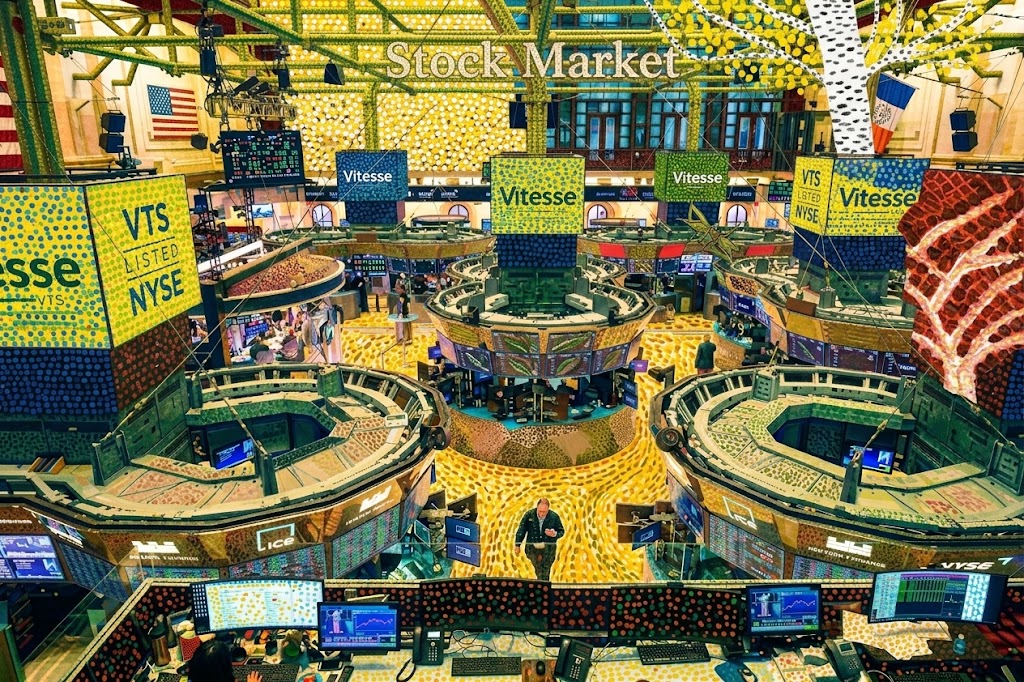
Stock market trading floor

Markets in motion

Real decisions happen where price meets conviction. Our recommendations are built for the long game, not the trading floor noise.